

Efficient environmental management may be the backbone of successful indoor cultivation. In managed growing surroundings, also minor fluctuations in temperature, humidity, or circulation can somewhat affect plant progress and final yield. This is why Cannabis Water Treatment techniques are significantly becoming an ideal expense for growers seeking to accomplish uniformity, efficiency, and superior plant wellness across cultivation cycles.
What role does climate control play in cannabis cultivation?
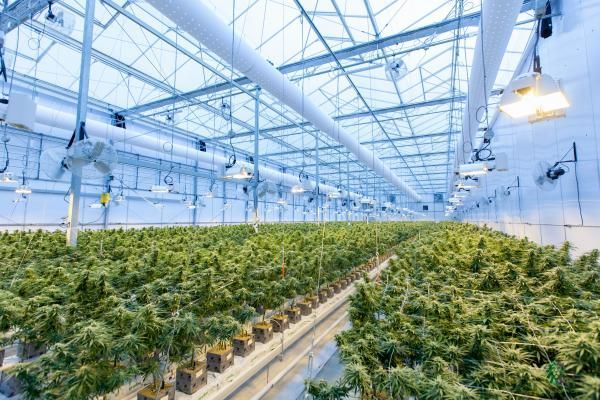
Climate Control guarantees that crops are grown in optimum conditions tailored to each period of the lifecycle. Studies suggest that sustaining stable temperature ranges between 20–28°D and relative moisture between 40–70% can increase provide efficiency by as much as 25%. Correct airflow and CO₂ harmony also contribute to stronger place design and quicker development rates.
Why is humidity management critical?
Moisture right influences transpiration and vitamin uptake. Excess moisture may cause shape and form, while minimal humidity may stunt growth. Knowledge shows that improper moisture Control is responsible for nearly 30% of crop losses in indoor cultivation. Sophisticated dehumidification techniques help maintain stability, lowering illness dangers and increasing seed resilience.
How does temperature influence plant productivity?
Heat impacts photosynthesis and metabolic activity. Consistent heat Control enables flowers to cultivate at maximum costs without stress. Study suggests that even a 2–3°D deviation from great problems can minimize cannabinoid creation by up to 10%, affecting overall solution quality.
What are the benefits of automated climate systems?
Automation promotes accuracy and reduces human error. Smart Climate Control techniques use sensors and real-time data to modify environmental factors instantly. Facilities utilizing automation report as much as 20% reduction in operational costs and increased crop uniformity across harvests.
How does air circulation contribute to plant health?
Proper ventilation stops the buildup of heat pockets and excess humidity. In addition, it strengthens seed stalks and reduces pest infestations. Mathematical ideas reveal that enhanced air circulation can decrease illness likelihood by around 15–20%.
Can climate control improve energy efficiency?
Sure, contemporary methods are made to balance efficiency with energy consumption. Energy-efficient Climate alternatives can reduce energy use by around 30%, creating them both environmentally and cheaply good for large-scale operations.
What impact does CO₂ regulation have?
CO₂ enrichment increases photosynthesis, leading to faster growth and higher yields. Controlled surroundings sustaining CO₂ degrees between 800–1200 ppm may boost productivity by around 20%, based on expansion knowledge trends.
How does consistent climate control affect yield quality?
Reliability is key to providing high-grade crops. Secure environmental problems guarantee uniform cannabinoid and terpene profiles. This brings to raised item consistency, that will be needed for sustaining quality standards in competitive markets.
What are the long-term advantages of investing in climate control?
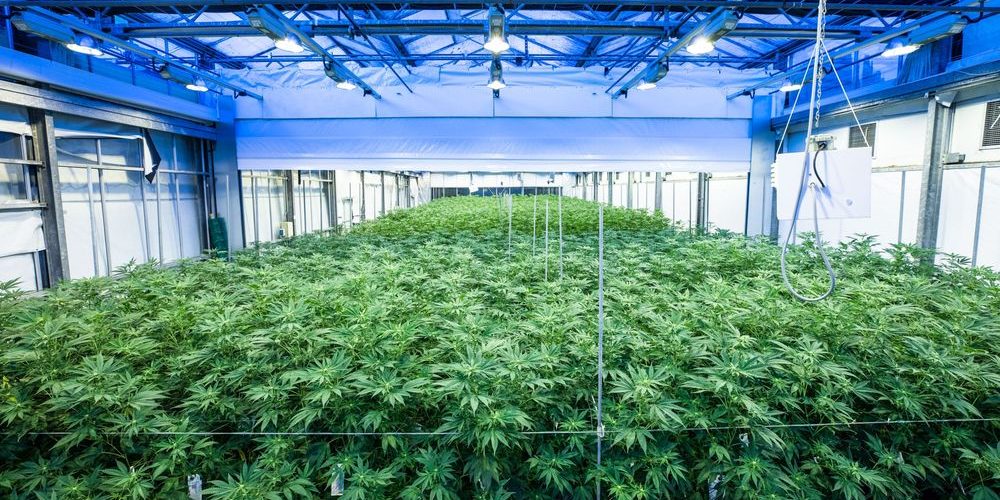
Long-term advantages include reduced plant loss, predictable crop cycles, and improved scalability. Growers leveraging advanced Climate technologies often achieve larger results on investment as a result of increased produce efficiency and paid off operational risks.
Final Insights
Contemporary growth demands precision, and Climate Control is no longer optional—it is essential. With data-driven techniques and sophisticated environmental methods, growers can achieve optimum place health, increase produces, and guarantee consistent generation quality. Purchasing reliable Climate Control solutions is really a forward-thinking method that aligns with equally productivity objectives and sustainability standards in the present growing cultivation landscape.